
Decarbonization Strategy in Saudi Arabia.
ROI-driven reduction plans that cut emissions and cost together. Energy optimization, renewable integration, and carbon-intensity roadmaps, sequenced to the moves that matter first.
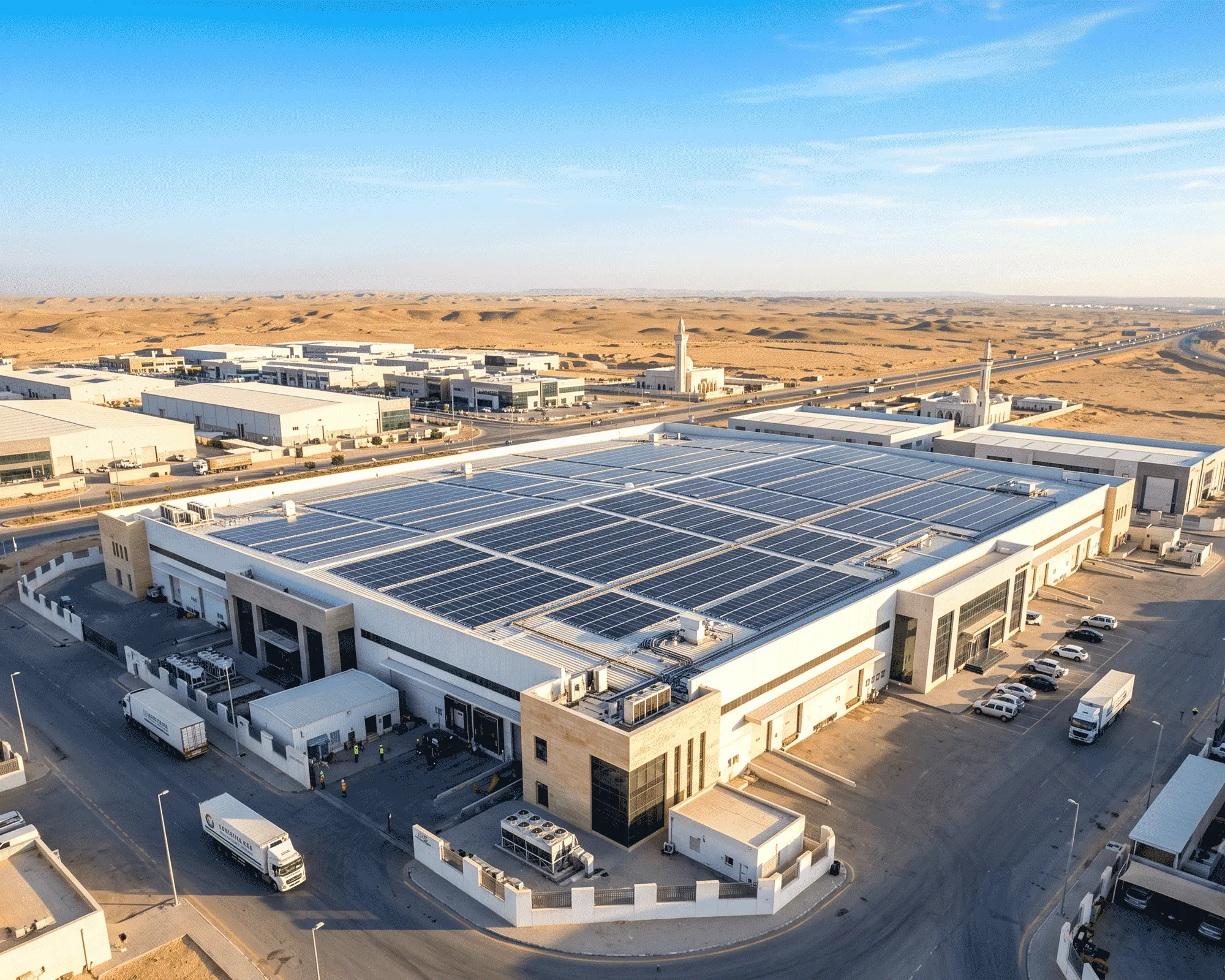
Reductions that pay for themselves.
A strategy is only worth building if it holds up commercially. Here is how ours does.

ROI-driven, not aspirational.
We prioritize the reductions that pay back, ranking each opportunity by its impact on emissions and its cost. You get a plan that stands up to a finance conversation, not just a sustainability one.
Every lever, on the table.
Energy optimization, renewable integration, and carbon-intensity roadmaps. We look across your operation for the full set of reduction levers, then focus effort where it moves the number most.
Sequenced to your operation.
A roadmap tuned to your baseline, your budget cycles, and the realities of operating in the Kingdom. Clear targets, clear order, and a path that supports the national move to Net Zero 2060.
From baseline to a plan you can fund.
[Confirm these deliverables match your actual scope of work.]
Four steps to your roadmap.
From your measured baseline to a funded, sequenced plan.
Baseline
We start from your measured footprint to understand where emissions sit today.
Identify
We map the reduction levers across energy, renewables, and efficiency.
Model
We model impact and cost, ranking opportunities by return and feasibility.
Roadmap
We deliver a sequenced plan with clear targets you can act on and fund.
Common questions.
What organizations ask before building a reduction plan.
What is a decarbonization strategy?
It is a structured, sequenced plan to reduce your organization's emissions over time, built around the actions that deliver the most reduction for the best return.
Do I need a carbon footprint first?
Yes. A measured baseline tells us where your emissions actually sit, which is what a credible reduction plan is built on. If you do not have one yet, we start with a carbon footprint assessment.
What does "ROI-driven" mean here?
It means we weigh each reduction opportunity by both its emissions impact and its cost, so the plan prioritizes actions that make financial as well as environmental sense.
Which reduction levers do you consider?
Energy optimization, renewable integration, and carbon-intensity improvements across your operation, focused on the levers that move your specific footprint most.
How does this align with Net Zero 2060?
Your roadmap is built to support the Kingdom's transition to Net Zero by 2060 under Vision 2030, translating that national ambition into steps that fit your operation.
Build your reduction plan.
Tell us about your organization and we'll scope a decarbonization strategy that stands up commercially. Free, no obligation.